
Why Teachers Feel Worn Down Even When Blood Sugar Looks “Fine”


3 Root-Cause Strategies to Help Teachers Reverse Type 2 Diabetes
Teaching is one of the most meaningful professions there is. You guide, support, and shape the future every single day. But in the process of caring for others, your own health is often pushed aside.
Over the years, I’ve worked with many teachers who are doing their best to manage Type 2 diabetes while juggling long hours, high stress, limited breaks, and unpredictable schedules. What I see repeatedly is not a lack of effort, but a lack of care that addresses the root causes driving the condition.
I still remember one of my own teachers growing up. She was deeply committed to her students, but her health slowly declined. During short breaks, she often relied on quick, processed snacks just to get through the day. Years later, I learned she suffered a major heart attack and had to step away from the career she loved, that experience stayed with me. It’s one of the reasons I focus so strongly on prevention and reversal, not just blood sugar control.
Learn how you can reversed Type 2 diabetes by addressing what was driving it.
Why Teachers Face Unique Root-Cause Challenges With Type 2 Diabetes
Type 2 diabetes does not develop overnight. For many teachers, it is the result of long-term physiological stress combined with daily habits that the job unintentionally encourages.
Common root contributors I see include disrupted meal timing, chronic stress, poor sleep, and limited movement during the workday.
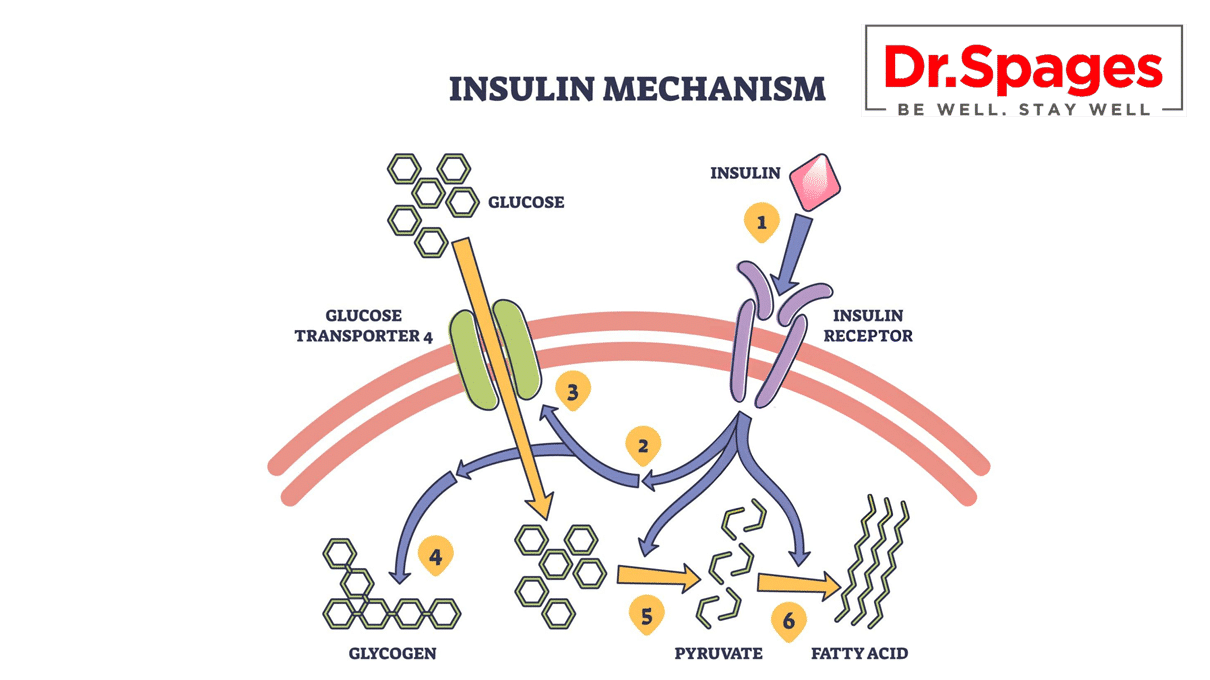
❌ Irregular eating patterns can disrupt insulin signaling.
❌ Chronic stress elevates cortisol, which directly raises blood sugar.
❌ Long sedentary periods reduce insulin sensitivity.
❌ Skipped meals followed by quick snacks increase glucose swings.
Addressing these drivers, not just the numbers, is what creates real and lasting change.
1. Anchor Blood Sugar by Preparing Meals With Intention
One of the most effective root-cause strategies I recommend to teachers is structured meal preparation.
When meals are inconsistent or replaced with ultra-processed snacks, blood sugar and stress hormones stay elevated throughout the day. This keeps the body in a constant survival state.
Preparing meals once or twice a week with adequate protein, healthy fats, and fiber gives your body predictability. That predictability is what stabilizes insulin signaling, energy, and cravings.
Having balanced meals ready also reduces reliance on sugary snacks brought into the classroom, not through restriction, but through preparation.
This is not about perfection. It is about giving your metabolism steady inputs so it can function as designed.
Find everyday meal ideas that support energy, focus, and long-term metabolic health here.
2. Use Strategic Snacking to Prevent Cortisol and Glucose Spikes
Many teachers are not allowed to eat in front of students, which often leads to long gaps without nourishment. From a root-cause perspective, this is a major issue.
Long fasting periods during high-stress environments push cortisol higher. Elevated cortisol increases blood sugar even without food.
Small, protein-rich snacks consumed strategically help prevent this stress response. Even a brief moment to nourish your body supports more stable energy, mood, and focus.
Stability, not restriction, is what allows the nervous system and metabolism to calm down.
Check this out for quick, classroom-friendly snacks that help support blood sugar and focus.
3. Use Movement to Restore Insulin Sensitivity, Not Burn Calories
Exercise is not just about weight loss. From a functional medicine perspective, movement is one of the most powerful tools for restoring insulin sensitivity.
For many teachers, the end of the school day offers a natural opportunity. Light to moderate movement shortly after work helps muscles absorb glucose more effectively and lowers insulin resistance.
This does not require extreme workouts. A brisk walk, light strength training, or consistent movement routines are often enough to send the right signals to the body.
When movement is paired with proper nourishment and recovery, blood sugar regulation improves naturally.
Conclusion: Your Health Matters as Much as the Lives You Shape
As a teacher, you give so much of yourself every day. But your health deserves attention as well. Type 2 diabetes is not a personal failure, and it is not something you are meant to simply manage forever.
When the focus shifts to addressing root causes like stress, disrupted rhythms, insulin resistance, and metabolic imbalance, the body often begins to respond in meaningful ways. Energy improves, clarity returns, and health becomes something you can feel again.
Small, intentional changes can make a real difference over time.
If you’d like to see how this approach works in real life, I encourage you to watch the case study and learn how these principles were applied step by step.
And if you’re ready to talk through your own situation, click this link to book a consultation and get clarity on your health. It’s a simple, no-pressure conversation focused on understanding what may be driving your Type 2 diabetes and what your next best steps could be.
You support others every day. It’s okay to support yourself too.